
India’s service sector growth slows in January, but manufacturing gains momentum: HSBC Flash PMI

India’s private sector began 2025 on a slower growth trajectory as momentum in the services sector eased and the pace of new business intake softened. Overall output grew at its slowest rate since November 2023, according to an HSBC flash survey.

The latest HSBC Flash PMI data, compiled by S&P Global, highlighted a slowdown in the services sector that offset robust growth in manufacturing during the month. Meanwhile, prices for goods and services rose sharply in January due to mounting cost pressures.

The HSBC Flash India Composite Output Index, which tracks monthly changes in combined output from manufacturing and services, fell from 59.2 in December to 57.9 in January, marking the slowest expansion in 14 months.

Manufacturing gains, services slow down

India’s manufacturing sector outperformed expectations, with the HSBC Flash India Manufacturing PMI climbing from 56.4 in December to 58.0 in January, its strongest showing since July 2024. The index, a composite measure of new orders, output, employment, supplier delivery times, and inventory levels, indicated improved factory conditions. 

The HSBC Flash India Manufacturing PMI Output Index also rose to 60.3 in January, up from 59 in December.

In contrast, the services sector experienced a deceleration, with the HSBC Flash India Services PMI Business Activity Index declining from 59.3 in December to 56.8 in January.

“India’s manufacturing sector started the year strong, with output and new orders bouncing back from a relatively weak third fiscal quarter. The rise in new export orders was especially noticeable, and the easing of input cost inflation is also good news for manufacturers,” said Pranjul Bhandari, chief India economist at HSBC.

However, she cautioned, “The cooling in growth in new domestic business in the services sector, however, highlights a potentially emerging weak spot in the economy. New export business for service providers, on the other hand, looks set to maintain its growing momentum.”

Business confidence improved in January, buoyed by manufacturers’ highest optimism levels since May 2024. However, sentiment among service providers dipped to a three-month low amid concerns about rising competition, the survey noted.

Manufacturers ramped up input purchases, accelerating pre-production inventory growth as supplier delivery times improved. Conversely, stocks of finished goods dropped to their lowest level in nearly three years.

India aims to achieve a $10 trillion economy within the next decade, driven by an expanding manufacturing sector. Priority areas include semiconductors, electronics, electric vehicles, renewable energy, and defence.

To support this vision, the central government has significantly increased capital expenditure, focusing on infrastructure development, job creation, and manufacturing growth.

Eqwires Research Analyst

Top-notch SEBI registered research analyst

Best SEBI registered Intraday tips provider

info@eqwires.com

Telegram Facebook Instagram

Call: +91 9624421555 / +91 9624461555

www.eqwires.com

Ola, Uber deny charging higher prices for Apple users than for Android in India after Centre’s notice

Cab aggregating firms Ola and Uber on Friday denied the allegations of implementing a differential pricing model for their services that were availed through Android and Apple phones in India.

The denial comes a day after Centre slapped notices over allegations that Apple users were being charged higher prices for rides of similar distances on the mere ground that consumers using costlier smartphones have greater purchasing power and can pay more than people using Android phones.

Ola said they have clarified allegations against them to the Central Consumer Protection Authority (CCPA) and will further work with the consumer body “to clear any misunderstanding in this regard”.

“We have a homogenous pricing structure for all our customers, and we do not differentiate based on the operating system of the user’s cellphone for identical rides,” an Ola Consumer spokesperson told Reuters.

An Uber spokesperson told Reuters in a statement that the company does not set prices based on the rider’s phone manufacturer.

“We look forward to working with the CCPA to clear up any misunderstanding,” the spokesperson said.

Google and Apple have not responded to the allegations yet.

Union minister of consumer affairs Pralhad Joshi said on Thursday that the CCPA had issued notices to major cab aggregators demanding an explanation for user allegations.

The department of consumer affairs’ move aims to address consumer grievances and ensure fair practices by cab aggregators. The companies must now clarify the pricing mechanism and the factors influencing these fare variations.

The minister said the notice follows an earlier observation against such practices. Last month, Joshi termed differential pricing an “unfair trade practice” that is a “blatant disregard” of consumer rights.

Cab aggregating firms – Uber, SoftBank-backed Ola, Rapido, and all-electric ride-hailing app BluSmart are locked in fierce competition to gain market share in India, one of the largest cab aggregation business markets outside the United States and Canada.

Eqwires Research Analyst

Top-notch SEBI registered research analyst

Best SEBI registered Intraday tips provider

info@eqwires.com

Telegram Facebook Instagram

Call: +91 9624421555 / +91 9624461555
www.eqwires.com

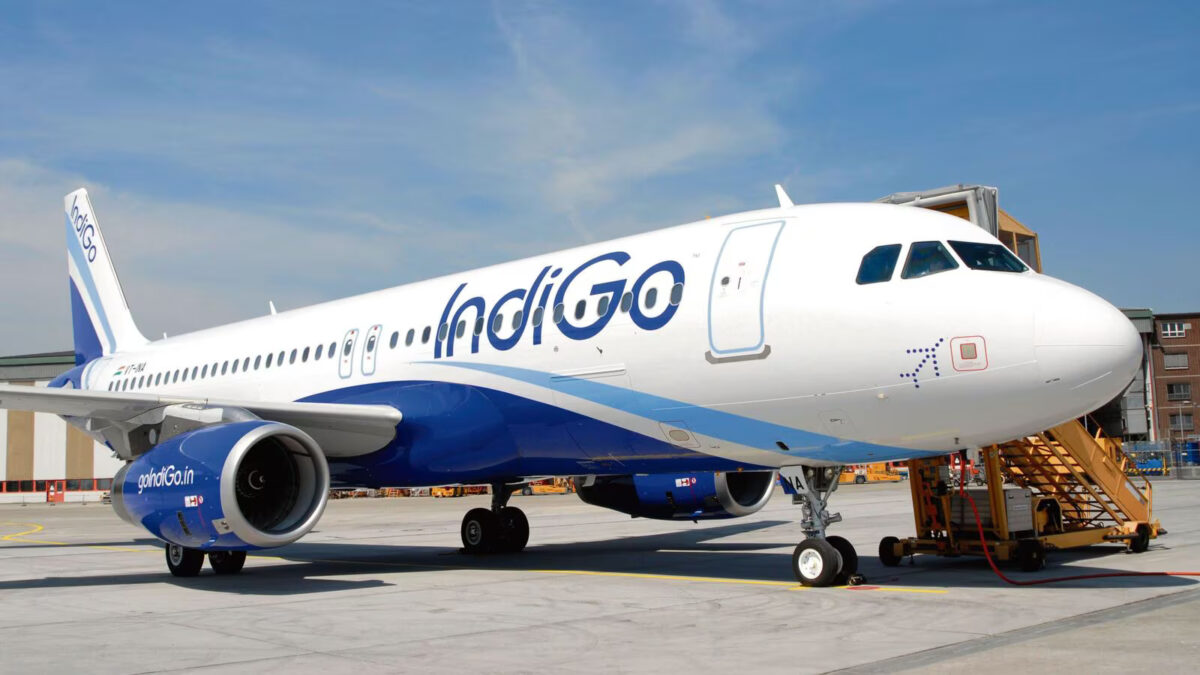
IndiGo Q3 Results: Airline lands back on the profit runway after previous quarter loss

Interglobe Aviation Ltd., parent company of India’s largest airline by market share, IndiGo, reported an 18% year-on-year decline in its December quarter consolidated net profit at ₹2,449 crore as against ₹2,998 crore seen in the year-ago period. The airline posted a loss of ₹988 crore in the preceding September quarter.

The third quarter performance was driven by strong demand for air travel, continued growth, and lower fuel cost.

The airline’s revenue from operations rose 14% year-on-year to ₹22,111 crore, compared to ₹19,452 in the corresponding quarter of last year.

The topline number was higher than CNBC-TV18’s poll of 21,909 crore; however bottomline was below CNBC-TV18’s poll estimate of ₹3,152 crore.

Earnings Before Interest, Tax, Depreciation and Amortisation (EBITDA) rose 0.7% year-on-year to ₹5,178.6 crore, which was higher than last year’s ₹5,143.6 crore.

EBITDA margin of 23.4% was lower than 26% on a year-on-year basis.

IndiGo slipped back into the red in the previous September quarter, reporting a loss of ₹987 crore even as its revenue climbed 14% YoY to ₹16,970 crore.

“We delivered a strong third quarter of financial year 2025, both operationally and financially. We reported a total income of ₹23,000 crore, reflecting a growth of 15% and profit excluding the impact of currency movement of ₹3,850 crore. Including currency impact, we reported a profit of ₹2,450 crore highlighting effective execution of our clear and well-defined strategy. These results were driven by robust demand in the market and our ability to cater to that demand supported by lower fuel prices,” said CEO Pieter Elbers.

The IndiGo CEO said the company touched new milestones as it operated a peak of 2,200 daily flights and served a record 31.1 million passengers during the quarter. “We will continue the growth path to offer our customers with options to conveniently fly to the destination of their choice,” he said.

Available Seat Kilometers (ASK), which measures an airline’s capacity to carry passengers, came in at 4,080 crore as against 3,650 crore, a growth of 12% on-year.

Revenue Passenger Kilometers (RPK), which measures the number of passengers carried by an airline, stood at 3,550 crore as against 3,130 crore, seeing a 13.5% on-year rise.

The airline’s load factor increased by 120 basis points to 86.9% in Q3FY25 compared to 85.8% in Q3FY24.

As of December 31, 2024, IndiGo had a total cash balance of ₹43,780.8 crore comprising ₹28,903.5 crore of free cash and ₹14,877 crore of restricted cash.

The capitalised operating lease liability was ₹49,593.7 crore. The total debt, including the capitalised operating lease liability, was ₹65,138.5 crore.

Eqwires Research Analyst

Top-notch SEBI registered research analyst

Best SEBI registered Intraday tips provider

info@eqwires.com

Telegram Facebook Instagram

Call: +91 9624421555 / +91 9624461555

www.eqwires.com